Creating a relaxing workspace at home is essential for maintaining focus and boosting your productivity. When your environment supports your well-being, you can accomplish tasks more efficiently and reduce work-related stress. Whether you are new to working from home or looking to improve your current setup, these practical tips will help you build a space that feels comfortable, organized, and inspiring.
Why a Relaxing Workspace Matters
A workspace designed for relaxation isn’t about making everything cozy alone. It’s about creating balance—a calm atmosphere that keeps distractions away while promoting mental clarity. Stress and clutter often drag down productivity, so addressing these factors allows you to work smarter, not harder.
—
Choose the Right Location
Find a Quiet Spot
Start by selecting a place that minimizes noise and interruptions. Ideally, choose a room or corner away from heavy foot traffic or household distractions. If this isn’t possible, noise-cancelling headphones or white noise machines can help.
Maximize Natural Light
Natural light improves mood and energy levels. Position your desk near a window if possible, but avoid screen glare by using blinds or curtains to control brightness.
—
Invest in Comfortable and Functional Furniture
Ergonomic Chair and Desk
Comfortable seating supports good posture, which reduces fatigue. Look for chairs with adjustable height, lumbar support, and cushioned seating. Your desk should suit your height and allow enough room for your computer and accessories.
Use an Adjustable Desk if Possible
Standing desks or convertible desks let you alternate between sitting and standing, which can boost circulation and reduce discomfort during long work sessions.
—
Declutter and Organize Your Space
Keep Only What You Need
A cluttered desk can drain your energy and make it harder to focus. Remove unnecessary items and organize work materials in drawers, shelves, or desk organizers.
Use Storage Solutions
Baskets, bins, and desktop trays help keep papers and supplies neat. Label storage containers to find everything quickly.
—
Add Calming Elements
Incorporate Plants
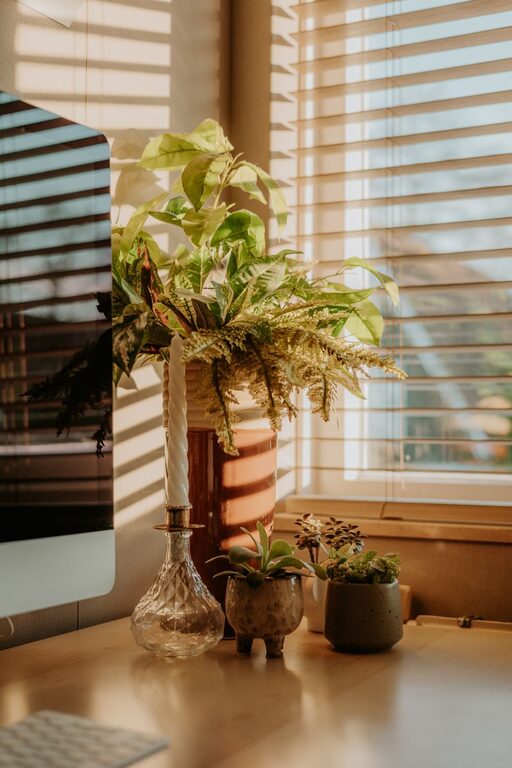
Houseplants improve air quality and add a touch of nature that can calm your mind. Easy low-maintenance plants like succulents or snake plants work well in home offices.
Choose Soothing Colors
Soft, neutral tones such as light blues, greens, or beige promote relaxation. You can add these through wall paint, accessories, or desk décor.
—
Manage Technology Wisely
Set Up Efficient Cable Management
Tangled cables contribute to chaos. Use cable ties or clips to keep cords neat and out of the way.
Limit Digital Distractions
Turn off non-essential notifications and consider apps that block distracting websites during work hours.
—
Personalize Your Workspace with Purpose
Display Motivational Items
Photos, inspiring quotes, or artwork can lift your spirits and keep you motivated.
Include a Comfortable Element
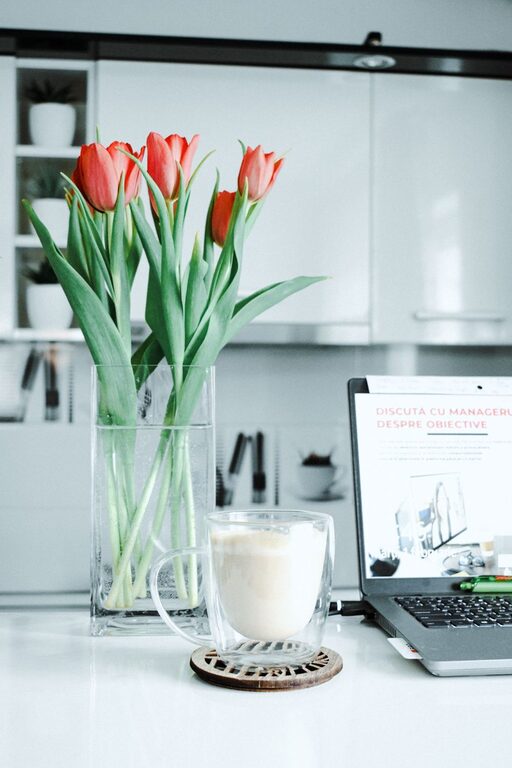
A cozy throw blanket, a stress ball, or a favorite mug can make your workspace feel welcoming.
—
Create a Routine and Boundaries
Define Work Hours
Set clear start and end times to help your brain switch between work and personal time.
Take Regular Breaks
Step away every hour to stretch, hydrate, or breathe deeply. Short breaks help maintain focus and prevent burnout.
—
Maintain Good Air Quality
Ventilate Your Workspace
Open windows when possible or use an air purifier to keep air fresh.
Avoid Overheating or Excessive Cooling
Aim for a comfortable temperature where you can concentrate without feeling too hot or cold.
—
Final Thoughts
Designing a relaxing home workspace is about more than just aesthetics. It’s about creating an environment that supports your productivity and well-being. By choosing the right location, investing in ergonomic furniture, managing clutter, and adding calming elements, you set yourself up for success. Remember to personalize your space and establish healthy work habits to stay motivated throughout your day. With these tips, your home office can become a place where focus and relaxation go hand in hand.